
Conquering the Buy Box: How SalesDuo Drove Record-Breaking Growth for Spax on Amazon
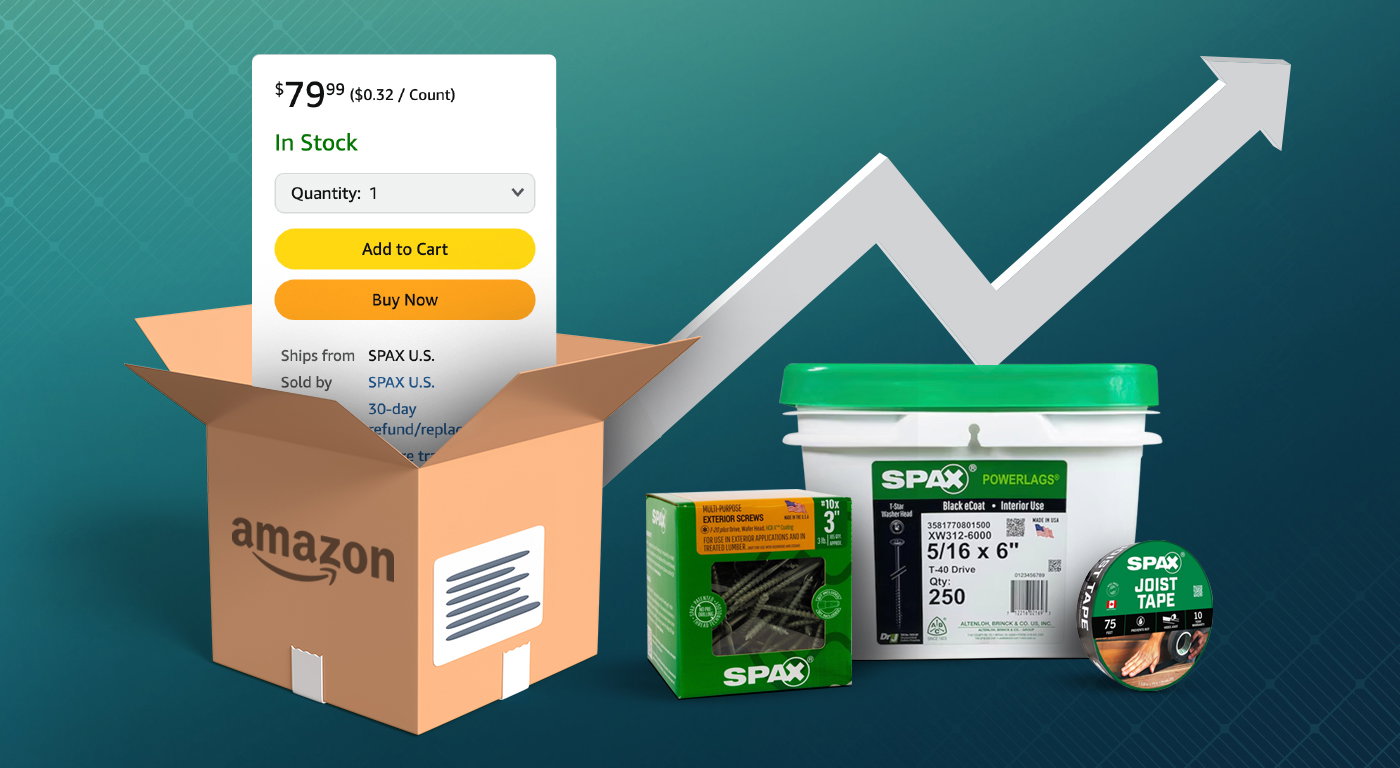
SPAX’s Amazon advertising problem was not just about bids. Third-party sellers were often winning the Featured Offer, which many people still call the Buy Box. At the same time, stock levels were different across SPAX ASINs. This meant the team could not make advertising decisions based only on campaign numbers.
SalesDuo connected weekly Featured Offer checks with ASIN-level performance data, inventory signals, Sponsored Brands, and bid optimization. This helped the team focus ad spend on products that had a better chance of converting.
During 2026, SPAX reached new lifetime-high sales months. However, the separate 80% Amazon growth result came from the SPAX catalog restructuring case study, not from this advertising work.
SPAX Amazon Advertising Case Study at a Glance
| Brand | SPAX |
|---|---|
| Category | Fasteners and screws |
| Primary challenge | Third-party Featured Offer competition and stock availability constraints |
| Advertising approach | Weekly Featured Offer checks; ASIN-level BI analysis; stock-aware budget shifts; Sponsored Brands; bid and ROAS optimization |
| Time period | January 2024–Present |
| Verified result | SPAX reached lifetime-high sales in July 2026, and moved higher again in later months. |
| Attribution boundary | The separate 80% Amazon growth result is tied to catalog and pack restructuring, not this advertising initiative. |
Key Challenges SPAX Encountered
SPAX sells screws and fasteners used in construction and woodworking. On Amazon, other sellers sometimes won the Featured Offer on the same product pages. Some SPAX products also had stock issues.
This created three connected advertising challenges:
- Ad spend could become less effective when SPAX was not in a strong position to convert.
- A popular ASIN could still be a poor choice for more advertising if stock was limited.
- Campaign data alone could not tell the team whether the real problem was bids, Featured Offer status, or inventory.
Because of this, SalesDuo connected advertising decisions with retail-readiness signals. For more details about offer selection, see how Amazon’s Featured Offer works.
SalesDuo’s Multifaceted Strategy
SalesDuo used five connected tactics. The team first checked Featured Offer and inventory conditions. After that, it decided where bids and budgets had the best chance to perform.
1. Manual weekly Featured Offer checks
SalesDuo checked every week to see which SPAX ASINs had the Featured Offer. This helped the team spot where third-party sellers might be making it harder for SPAX to win sales.
SPAX's team used manual weekly checks in this case study. Sellers evaluating dedicated alerting or monitoring workflows can use SalesDuo's Buy Box monitoring guide for the current process.
Amazon Ads currently requires Sponsored Products to meet Featured Offer eligibility requirements. In this case study, SalesDuo also used actual Featured Offer status and other retail-readiness signals when deciding where to focus SPAX’s advertising budget.
If ad performance drops, do not assume bidding is the only problem. Check current offer status, inventory, and other retail-readiness signals before changing spend.
For more information about the ad format and current eligibility rules, see SalesDuo’s Sponsored Products guide.
2. ASIN-level performance analysis through BI
The SalesDuo BI dashboard is also used to analyze performance at the ASIN level. They also analyzed the advertising results in relation to the retail signals that may have an impact on each product.
Instead of judging the whole account only by overall campaign numbers, the team could see which products had better conditions for advertising.
This also helped identify ASINs where Featured Offer or inventory issues needed fixing before adding more ad spend. SalesDuo’s ASIN-level Amazon Ads reporting guide explains this reporting approach in more detail.
3. Stock-aware budget shifts
SalesDuo cut back on spending when an ASIN was running low on inventory. The group resisted the urge to send even more sales to a product that could very well lose inventory. Instead, the team could shift budget toward the products that had higher inventory levels and a better Featured Offer situation.
This kept ad spend connected to products shoppers could actually buy. It also helped the team avoid treating an inventory problem as an advertising problem.
4. Sponsored Brands for brand visibility
Third-party sellers could still win the Featured Offer on individual SPAX product pages. Because of this, SalesDuo used Sponsored Brands to help maintain SPAX’s overall brand visibility.
The goal was not to use Sponsored Brands to win the Featured Offer. Instead, these campaigns helped SPAX stay visible in the category even when product-level offer conditions changed.
This gave the brand another way to reach shoppers, rather than relying only on product-level ads.
5. Bid and ROAS optimization after retail-readiness checks
SalesDuo adjusted bids and budgets to capitalize more on the best opportunities after verifying Featured Offer status, inventory, and ASIN performance.
Bid optimization wasn't the solution for every advertising issue. It was just one part of the overall strategy.
This helped the team connect ROAS decisions with real product conditions. For more information about ACoS, ROAS, TACoS, CPC, and CTR, see SalesDuo’s Amazon advertising benchmarks.
How SalesDuo Transformed Spax’s Sales
During the case period, SalesDuo used a repeatable process that connected advertising decisions with Featured Offer status, inventory, and ASIN-level performance.
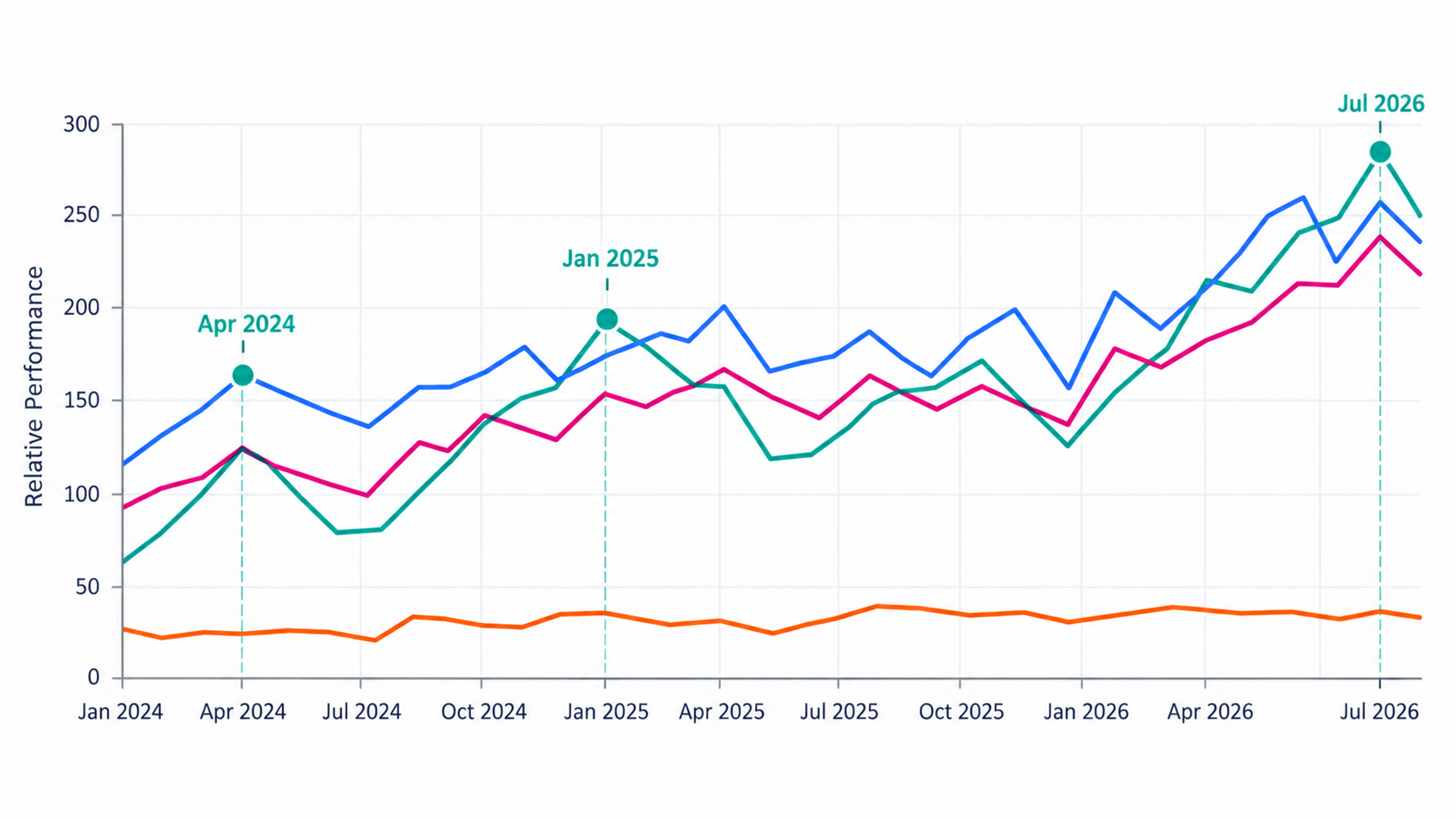
Note: Performance lines are indexed for visualization and are based on SalesDuo's verified SPAX reporting data. Values are shown relatively rather than as absolute account metrics.
The clearest published result was that SPAX reached several lifetime-high sales months during 2026.
- Record-high sales: SPAX reached its highest sales level in July 2026, and sales continued to grow in the following months.
- Smarter use of ad budget: SalesDuo checked the Featured Offer every week and reviewed ASIN-level data. This gave the team a structured way to prioritize products with stronger stock and offer conditions.
- Better brand visibility during competition: Sponsored Brands were used to support SPAX's category visibility when third-party sellers held the Featured Offer on individual product pages.
- More connected decision-making: SalesDuo reviewed ads, Featured Offer status, and inventory together instead of making separate decisions about bids and budgets.
These results apply to SPAX’s specific situation. They should not be treated as a standard result for every Amazon brand. Each brand can have different competition, inventory levels, margins, and advertising costs.
Related SPAX Work on Amazon
SalesDuo has worked with SPAX on several different Amazon challenges. Each case covers a different problem, time period, and result. Keeping them separate makes it easier to understand which work led to each outcome.
| Case | Scope | Result / role |
|---|---|---|
| SPAX catalog restructuring case study | Individual-pack, SKU, and catalog changes | Owns the separate 80% Amazon growth result |
| This advertising case study | Featured Offer-aware ad allocation, stock-aware budget shifts, Sponsored Brands, and bid optimization | Owns the 2026 advertising proof and lifetime-high sales-month story |
| SPAX pricing and advertising recovery case study | 2025 tariff pressure, price reset, advertising efficiency, and B2B segmentation | Owns the 2025 price-reset and recovery story |
Readers who want to see more examples can browse SalesDuo Amazon case studies.
Conclusion
SPAX’s case shows that Amazon advertising should not be managed only through the ads console.
Featured Offer status, stock availability, and ASIN-level performance can all affect where advertising budget has the best chance to work.
SalesDuo first checked these retail signals. Then the team adjusted budgets, sponsored ads, and bids based on the stronger opportunities.
If your brand faces similar Featured Offer competition or uneven product readiness, explore SalesDuo’s Amazon advertising management approach.
The Spax case provides context for discussing your own growth priorities with an Amazon PPC agency, including how campaign budgets should reflect them.
Book Your 1:1 Growth Call with SalesDuo.
Frequently Asked Questions
Why did Featured Offer status matter to SPAX’s advertising?
Featured Offer status was an important retail-readiness signal for SPAX. SalesDuo checked it weekly alongside inventory and ASIN-level performance when deciding where to maintain or reallocate advertising budget. Amazon currently requires Sponsored Products listings to meet Featured Offer eligibility requirements.
How did SalesDuo decide where to move SPAX’s ad budget?
SalesDuo looked at weekly Featured Offer checks, ASIN-level BI data, and stock availability together.
The team focused more advertising on products with better stock levels and stronger offer conditions. ASINs with limited stock or weaker conditions received less focus.
Is the 80% SPAX sales-growth result from this advertising case study?
No. The 80% growth result came from a separate SPAX catalog restructuring project focused on pack and SKU changes.
This case study is about advertising work involving Featured Offer status, inventory, ASIN-level performance, brand visibility, and bid optimization.
About the Author
Abhiraj Aggarwal is a dynamic and results-driven Amazon Account Manager specializing in Amazon advertising, customer success, and sales. Passionate about data-driven strategies, AI technologies, and market trends, he thrives on continuous learning and growth. Outside of work, Abhiraj is keen on personal development, often diving into books, podcasts, and discussions on business strategy, psychology, and emerging technologies. He also enjoys exploring diverse cuisines, traveling to new destinations, and immersing himself in different cultures.