Amazon Rule-Based Bidding Case Study: How Z Natural Foods Grew Sales 134%
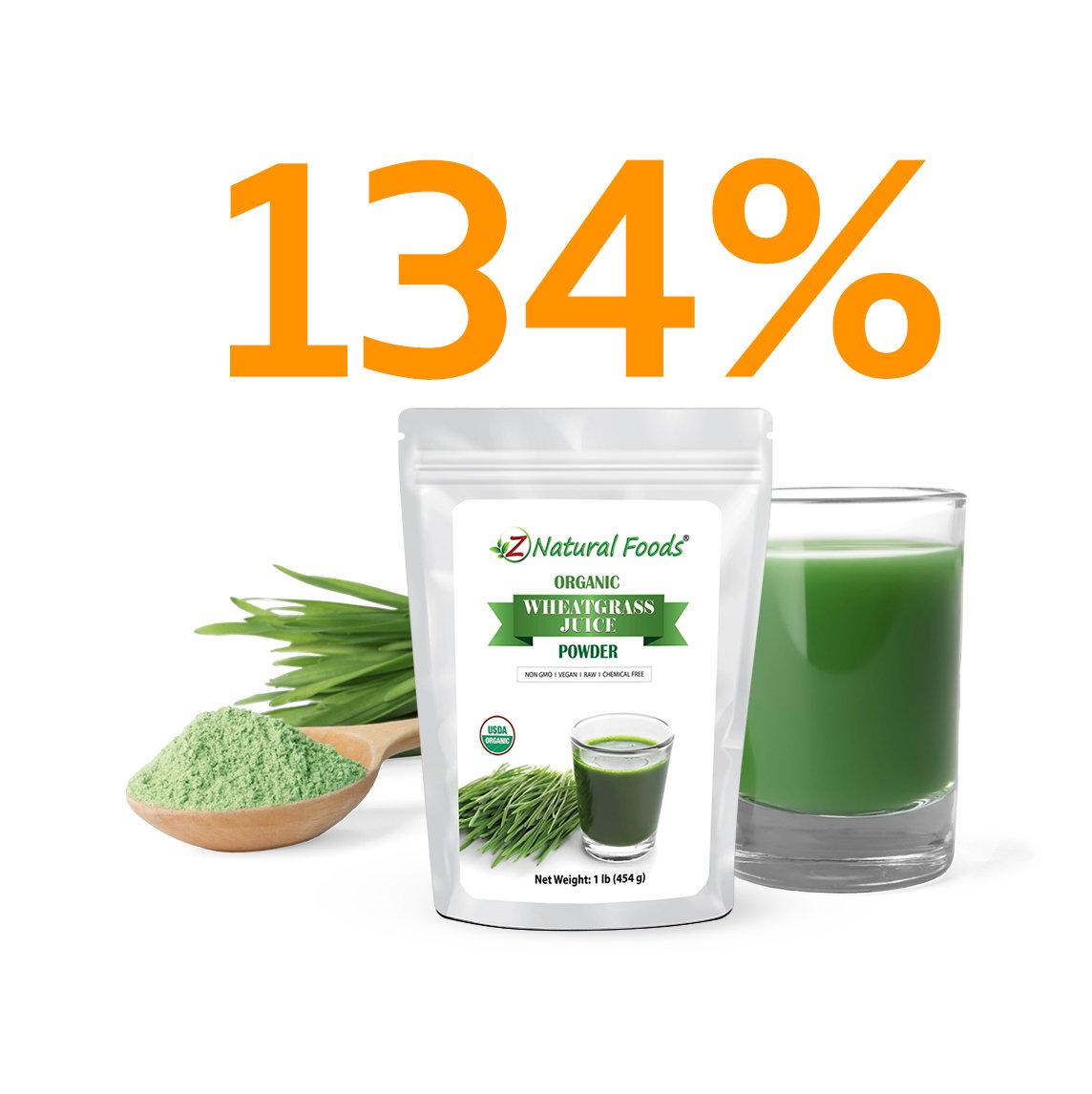
This Amazon rule-based bidding case study shows how SalesDuo helped Z Natural Foods grow sales by 134% while keeping Amazon Advertising efficiency within the account’s target. As an Amazon PPC case study, it shows how campaign restructuring, traffic filtering, and bid controls worked together rather than relying on automation alone.
The work centered on Sponsored Products campaign restructuring, automatic and manual targeting, negative keywords, bid tiers, search-term harvesting, and automated bid optimization after enough performance data had accumulated. The historical dashboard on the original page covers January through May 2022; these results describe that engagement and are not a promise of future performance. Below, we break down the challenge, execution, documented results, and the conditions sellers should evaluate before using rule-based bidding.
| Metric | Documented result |
|---|---|
| Brand | Z Natural Foods |
| Category | Natural and organic foods |
| Engagement context | SalesDuo partnership began in April 2021 |
| Dashboard period | January-May 2022 |
| Main channel | Amazon Advertising |
| Core ad type | Sponsored Products |
| Main tactic | Rule-based bid optimization plus campaign restructuring |
| Sales growth | 134% |
| Reported ad sales | $567,055.18 |
| Reported ad spend | $107,013.19 |
| Average ACoS | 18.87% |
| ROAS | 5.30 |
| Impressions | 24,039,783 |
| Clicks | 105,000 |
| ACoS goal | Below 30% |
The Client: Z Natural Foods
Z Natural Foods sells hard-to-find whole, natural, and organic products. The company has worked with SalesDuo since April 2021 to scale their Amazon sales. The brand maintained a diverse product portfolio, but a large catalog meant not all of their ASINs could get the same advertising love and budget attention.
Amazon Advertising mattered because Sponsored Products could place relevant products in shopping results and on product detail pages. For Z Natural Foods, the challenge was not whether to advertise. The challenge was where to advertise - in a way that would drive enough qualified traffic and conversions to inform their spending decisions.
The Challenge: Scaling Amazon Ads Without Pushing ACoS Above Target
The account requested an increase in sales while maintaining ACoS below 30%. The initial phase demonstrated a broad distribution of the allocated budget between three types of campaigns: Sponsored Products, Sponsored Brands, and Sponsored Display. The account underperformed due to a high ACoS, and it was vital to reduce the costs by cutting off underperforming channels. It was impossible to scale all the campaigns and ASINs with a limited budget.
Therefore, SalesDuo decided to narrow the focus and scale the core Sponsored Products and the top 80% of ASINs. The idea was to get quality impressions, find search terms that drive conversions, and scale the campaigns further while maintaining ACoS below 30%.
What Is Rule-Based Bidding on Amazon?
Rule-based bidding on Amazon is a Sponsored Products strategy that lets Amazon adjust base bids toward an advertiser’s conversion goal while attempting to maintain a campaign-level ROAS guardrail. Amazon’s current Sponsored Products bidding documentation states that the guardrail is not guaranteed.
As of July 2026, Amazon’s rule-based bidding documentation states that an existing campaign must have run for at least 10 days before a ROAS-guardrail rule can be applied. Amazon does not guarantee the guardrail, and account-level eligibility can vary, so advertisers should confirm the option and any marketplace-specific requirements in the Amazon Ads console.
In this historical engagement, SalesDuo first used dynamic bids- down-only- reviewed campaign and placement performance, and then changed eligible campaigns to Amazon’s native rule-based bidding with a ROAS guardrail, applying more automated bid optimization.
For a full comparison of Amazon’s core options, see SalesDuo’s Amazon PPC bidding strategies guide.
SalesDuo’s Strategy
Prioritized Sponsored Products Across the Top 80% of ASINs
SalesDuo limited Sponsored Products spend to the top 80% of ASINs; this helped allocate budgets more efficiently to the most promising listings and secure relevant search-term and placement data for each product. Sponsored Brands and Display were not prioritized at this stage of the campaign.
Rebuilt Automatic and Manual Campaigns
Automatic campaigns were used to discover search terms and product-targeting opportunities. Manual campaigns then isolated proven terms so budgets and bids could be controlled more precisely. This separated discovery from scaling instead of asking one campaign to perform both jobs.
Used Negative Keywords to Protect ACoS
Irrelevant or underperforming search terms were added as negatives. This helped to prevent the campaign from wasting money on poor traffic and keep the account’s ACoS below 30%. Decisions about which terms to add as negatives were made in conjunction with regular analysis of search terms, not as a one-time optimization.
Applied “Rainfall Bidding” by Target Intent
SalesDuo employs “rainfall bidding” as an internal nomenclature for a bid-tiering system wherein higher bids are allocated to closer, higher-intent automatic targets and lower bids are assigned to broader or lower-intent automatic targets (e.g., complements). The term rainfall bidding in this context is not an Amazon-specific feature but rather a descriptor of the sequential allocation methodology based on proximity and observed performance.
The base bid according to the desired level of rainfall is set in accordance with the target intent. By adjusting placements and determining the campaign’s overall bidding strategy, it is possible to affect the final cost per click; therefore, the team analyzed the placements’ performance and increased the base bid. According to the recommendations, the seller should determine the highest affordable cost per click possible after implementing aggressive base bids and multipliers for placements.
Started Conservatively, Then Added Automated Bid Optimization
Campaigns started with dynamic bids – down only so that Amazon would lower the bid if the conversion looked unlikely without raising the base price. Once they had some performance data, the team analyzed the top-of-search and product-page results and moved the campaigns toward a more automated approach. This strategy helped them avoid applying aggressive bid adjustments too early in the learning phase.
Harvested Converting Search Terms into Focused Campaigns
Queries found in automatic campaigns were transferred into focused manual ones. SalesDuo could then make sharper bids on stronger terms, utilize negatives to exclude weaker queries, and drive a bigger budget to the most profitable terms, improving competitiveness for these queries without having Top of Search placements specified as a goal.
Results: 134% Sales Growth with ROAS Above 5
The campaign demonstrates a 134% increase in sales while maintaining the average ACoS below the account’s 30% level. The provided dashboard indicates that $567,055.18 was gained from $107,013.19 spent, implying an average ACoS of 18.87%, an average ROAS of 5.30, and 24,039,783 impressions as of January-May 2022.
| Metric | Result achieved |
|---|---|
| Sales growth | 134% |
| Reported ad sales | $567,055.18 |
| Reported ad spend | $107,013.19 |
| Average ACoS | 18.87% |
| ROAS | 5.30 average / 5.25 trend |
| Impressions | 24,039,783 |
| Clicks | 105,000 |
The source materials do not provide the baseline sales total or the exact comparison window behind the 134% growth figure. For that reason, this case study reports the documented result achieved rather than inventing before-and-after values. The original page’s separate claim of 195,000 viewable impressions was not retained because the dashboard does not display that metric or its reporting period.

Why the Strategy Worked
The strategy worked because bid automation was the final layer, not the first move. Campaign structure, traffic filtering, bid tiers, and search-term harvesting created cleaner data for later bid decisions.
- Prioritization minimized budget fragmentation. By focusing on the top 80%, we increased the likelihood that our prioritized products would receive sufficient data collection.
- Automatic and manual campaign types had different goals. The former discovered opportunities, while the latter invested with certainty in already proven terms.
- Negative keywords improved traffic quality by eliminating irrelevant queries, preventing the same mistakes in the future.
- The bid tiers were created according to the intent-to-value ratio, meaning that we divided the closest opportunities (higher intent to buy) and less relevant ones (lower intent to buy).
- The automation was implemented after observing the conversion trends within the account. A conservative approach allowed us to scale the profitable segments without risking the entire budget on unproven traffic sources.
When Should Sellers Use Rule-Based Bidding?
Sellers should use rule-based bidding when a campaign has enough conversion history, a clear ROAS or ACoS target, stable product economics, and enough budget to generate consistent data. They should delay it when traffic is thin, margins are changing, or launches, promotions, or seasonality distort recent results.
Pause or revert the rule when spend increases significantly without an increase in sales, the campaign is consistently underperforming in terms of ROAS or ACoS, or inventory, pricing, or conversion rate changes make recent results non-comparable with past performance.
| Readiness signal | Use when | Caution |
|---|---|---|
| Campaign data | At least Amazon’s current eligibility minimum; preferably stable conversion patterns beyond the minimum. | Do not treat technical eligibility as proof that the campaign is ready. |
| Goal | A defined ROAS guardrail and an ACoS target grounded in product margin. | A rule cannot compensate for an unrealistic profitability goal. |
| Budget | Enough daily budget to collect data without frequent budget exhaustion. | Low or inconsistent delivery can make recent performance less representative. |
| Listing and offer | Stable price, inventory, featured-offer eligibility, and conversion rate. | Listing or inventory problems can be mistaken for bidding problems. |
| Seasonality | Recent history reflects the period the rule will manage. | Recheck after major events, promotions, or demand shifts. |
| Monitoring | A regular review of ROAS, ACoS, spend, conversions, placements, and search terms. | Amazon does not guarantee the ROAS guardrail; rules still require oversight. |
Rule-based bidding also affects other automation settings: Amazon states that scheduled bid rules are placed on hold while rule-based bidding is active. Before switching, document any dayparting or event-based schedule rules so they can be restored or replaced deliberately.
Key Takeaways from This Amazon Rule-Based Bidding Case Study
- Start with the account constraint. Z Natural Foods needed growth while keeping ACoS below 30%, so budget concentration mattered as much as bid automation.
- Fix campaign structure before automating bids. Cleaner discovery and scaling campaigns produce more useful data for rules.
- Use negative keywords and bid tiers together. One filters poor traffic; the other values the remaining traffic more accurately.
- Treat a ROAS guardrail as a control, not a guarantee. Monitor results and be prepared to revise the rule or return to a prior strategy.
- Report only what the source data supports. Historical results should include their timeframe and should not be presented as a universal benchmark.
Rule-based bidding was only one part of the outcome. For a separate SalesDuo example focused on placement multipliers and a priority ASIN, review the bids-by-placement case study.
Explore more Amazon advertising case studies to see how SalesDuo approaches different catalog, placement, and efficiency challenges.
Frequently Asked Questions
What Is Amazon Rule-Based Bidding?
Amazon rule-based bidding is an eligible Sponsored Products strategy in which Amazon adjusts campaign base bids to increase conversions while attempting to maintain a campaign-level ROAS guardrail.
How Is Rule-Based Bidding Different from Dynamic Bids - Down Only?
Dynamic bids-down only allows Amazon to decrease the bid if the click is less likely to convert; it will not increase the bid. ROAS-guardrail rule-based bidding allows the base bid to increase or decrease toward the campaign’s goal, depending on whether the campaign has met its requirements.
When Should Sellers Use Rule-Based Bidding on Amazon?
Use it when there is decent conversion history behind the campaign, product economics are somewhat stable, there is an ROAS target worth aiming for, and budget allows for sufficient data generation. Avoid it for campaigns with scarce recent conversion history, significantly seasonal trends, or inventory or listing issues.
Can Rule-Based Bidding Reduce ACoS?
The tool may improve lower or controlled ACoS based on the ROAS guardrail, bids, campaign structure, and traffic quality. It cannot fix poor listings, targeting, unrealistic goals, insufficient data, or guarantee a particular ACoS.
Does Rule-Based Bidding Guarantee a Target ROAS?
No. Amazon states that the ROAS guardrail is not guaranteed. Advertisers should review spend, sales, conversions, ACoS, ROAS, placements, and search terms after activation and adjust the campaign if performance moves outside acceptable limits.
What Campaign Data Should I Review Before Switching Bidding Strategies?
Review at least conversion volume, recent ROAS and ACoS, cost per click, conversion rate, budget utilization, placement performance, search-term quality, product margin, price, inventory, and listing changes. The decision should reflect both ad data and the product’s current economics.
How Did SalesDuo Use Rule-Based Bidding for Z Natural Foods?
This Amazon PPC case study features SalesDuo's strategy of first focusing on Sponsored Products, rebuilding automatic and manual campaigns, adding negatives, implementing descending bid tiers, and extracting valuable search terms. After sufficient data had been gathered, the team transitioned towards a more aggressive Down Only mode and began automating bid adjustments while still keeping an eye on all campaigns' performance.