









SalesDuo manages Sponsored Products, Sponsored Brands, Sponsored Display and Amazon DSP for brands that need tighter control over ACoS, TACoS, budget pacing and product-level profitability. Amazon growth specialists set the strategy and review the decisions; Ethan and Amazon Marketing Stream surface waste, pacing issues and performance changes faster.




















SalesDuo restructured Sponsored Products, prioritized the top ASIN opportunities, controlled negatives, harvested converting search terms and layered rule-based bidding onto a clean campaign structure.
SalesDuo used search-term discovery, negative targeting, bid guardrails and placement-level conversion data. Impressions increased from about 2,100 to more than 14,000 in one week, while average weekly units rose from 30 to 57.
SalesDuo supported SKOY's Amazon listings and advertising campaigns. The client reported 23% sales growth while reducing advertising cost of sales (ACoS) from 30% to 20%.
SalesDuo managed Amazon advertising and account operations for Eco-Shell. From January to May 2023, Amazon sales grew by 65%, while ACoS was reduced to 16%.
Search-term discovery, proven exact-match targets, brand defense and product targeting need different campaign roles and controls.
High-performing search terms remain inside broad or automatic campaigns, limiting bid and budget control.
An efficient campaign can still hurt profit if margin, inventory or conversion does not support more spend.
Buy Box loss, weak content, poor reviews, price gaps, suppressed listings and stock risk can waste otherwise valid traffic.
We build and improve campaigns across Sponsored Products, Sponsored Brands, Sponsored Brands Video, Sponsored Display and Amazon DSP where relevant, with separate structures for discovery, scaling, brand defense and product targeting.
Competitor keyword research, high-intent search-term discovery and keyword harvesting; negatives to block non-converting spend; product targets, bid controls, Top/Rest/Product Page placement analysis and dayparting. We move converting terms into better-controlled campaigns and review where and when ads perform best.
We adjust bids, budgets and pacing based on performance, product priority, margin and growth goals, with inventory, Buy Box, price and conversion checks. Where supported, Amazon Marketing Stream hourly signals inform intraday optimization to spot spend spikes, control pacing and reduce wasted budget faster.
AI/BI reporting tracks CPC, CTR, CVR and wasted spend. A dedicated account manager turns PPC data into clear next steps and guides controlled tests, launches, scaling, budget planning, marketplace expansion and stakeholder-ready reporting.
Start with a free Amazon PPC audit. Review structure, campaign setup, search terms, placements, bids, budgets, margins, Buy Box, inventory, conversion, wasted spend and reporting gaps. Get audit findings within 48 hours where account access and data completeness allow.
Define ACoS/TACoS or contribution goals, product priorities and budget boundaries.
Separate discovery, proven terms, brand defense, product targeting, launches and scale.
Add negatives, promote converting terms and isolate targets that need control.
Use performance and hourly signals where supported; change one major lever at a time.
Coordinate content, price, reviews, catalog, inventory and Buy Box issues.
Test changes, measure results and expand only when economics and readiness support it.
Spend movement, budget pacing, major bid/placement shifts, Buy Box, inventory and urgent account issues.
Search-term harvesting, negatives, product/keyword winners and losers, tests, budget movement and action summary.
ACoS, TACoS, ROAS, total sales, contribution/margin where available, launch goals, product priorities and the next scaling plan.
You see what changed, why it changed, what the result was and what the team will do next.
Aligns PPC priorities with revenue, margin, inventory and wider Amazon goals.
Manages campaign structure, search terms, bids, placements, targets and pacing.
Monitors trends, reporting and anomalies across campaign and product performance.
Resolves conversion, catalog, Buy Box and inventory blockers that advertising alone cannot fix.
SalesDuo is an Amazon Ads Partner. Eligible brands may qualify for Amazon-funded advertising benefits on approved campaigns, subject to Amazon's current terms, marketplace, campaign type and account status. SalesDuo confirms eligibility during audit or onboarding before including any benefit in a media plan.
Control campaigns alongside Buy Box, inventory, listing conversion and product-level economics.
Connect advertising to retail availability, PO flow, profitability, content and 1P account priorities.
Adapt targeting, bids, budgets, localization and launch plans to local demand, CPC, competition and compliance—not translation alone.
✓ active Amazon sales
✓ meaningful ad spend or catalog complexity
✓ a need for clearer ACoS/TACoS/ROAS control
✓ Seller or Vendor Central
✓ willingness to address listing, inventory and operational blockers
– a request for isolated bid edits with no account access
– no clear product economics
– no inventory or Buy Box readiness
– expectation of guaranteed results
– campaigns too new to support confident automation without testing
Pricing is based on the work required to manage the account responsibly—not a percentage copied across every brand. The quote reflects monthly ad spend, SKU count, marketplaces, ad types, reporting needs, DSP/AMC support and whether listing or operational work is included.
Your proposal should state the included ad types, marketplace count, reporting cadence, account team, initial restructure work, exclusions and whether pricing changes as spend or catalog complexity grows.
The cheapest agency is not always the best choice. The right PPC partner should reduce wasted spend, report clearly, and connect PPC decisions to total Amazon profitability.
Higher spend needs closer pacing and bid control.
Larger catalogs need more campaign segmentation.
One marketplace is simpler than multi-region management.
Advanced campaigns require deeper strategy and reporting.
Sponsored Products, Sponsored Brands, Display, DSP, and video need different levels of support.
PPC performance depends on images, content, price, reviews, and conversion rate.
Larger teams may need dashboards, forecasts, and stakeholder-ready reports.
SalesDuo's PPC work focuses on measurable growth: stronger sales, cleaner campaign structure, better budget control, and improved profitability.

















Results from individual client engagements over the periods shown. Performance varies by category, budget, competition and operations. Past results do not guarantee future outcomes.
Still have questions?
Amazon PPC management covers campaign structure, targeting, search-term research, negative keywords, bids, budgets, placements, testing and reporting. The exact ad types, marketplaces and deliverables depend on the agreed scope.
We set ACoS and TACoS targets using product margin, sales goals, campaign history, inventory and conversion performance. Targets vary by product and campaign role, so we do not apply one benchmark to every brand.
Automatic and broad campaigns can help discover relevant search terms. Phrase and exact targeting can provide more control over proven queries. We choose the mix based on available data, relevance, budget and conversion performance.
Sponsored Products reaches shoppers on product searches, Sponsored Brands supports brand discovery, and display advertising can reach relevant audiences. Amazon DSP may support broader reach or retargeting when goals, eligibility and budgets justify it. See our Amazon DSP service page.
We review search-term results, conversion, CPC, ACoS, margin, placements and spend pacing before making measured changes. Adjustments depend on enough data and product economics; no single bidding rule suits every campaign. See our Brownie Brittle bidding case study.
Where available, Amazon Marketing Stream provides hourly advertising signals, and Ethan helps flag pacing changes, wasted spend and performance anomalies. Our PPC specialists review the data and make account-specific decisions; automated signals do not guarantee better results.
We identify the retail or catalog issue, protect budgets where needed and coordinate with the account team to address inventory, Buy Box, content or pricing problems. Scaling may pause until the product is ready to convert.
Some improvements from search-term cleanup, bid changes or structural fixes can appear within a few weeks. Sustained improvements in TACoS, sales and scale may take longer, depending on campaign history, budget, competition, stock and conversion. Results are not guaranteed.
SalesDuo will review campaign structure, search terms, bids, budgets, placements, pacing and the product or account issues that may be limiting performance. Where account access and data completeness allow, initial findings can be prepared within 48 hours.
Seller Central and Vendor Central supported. Results depend on account history, product economics and marketplace conditions.
Amazon PPC does not fail only because of bids and keywords. It also fails when listing issues, Buy Box problems, pricing gaps, inventory limits, reviews, catalog errors, or account health problems go unnoticed.
Work with Amazon growth experts who understand how marketplace operations affect PPC performance.
Stop wasted spend across weak keywords, poor placements, and low-converting products.
Build PPC strategies that improve visibility, reduce waste, and support total Amazon growth.
90% average weekly unit growth within the same monthly marketing budget; 30 to 57 weekly units and more than 14,000 impressions after placement and bid changes.
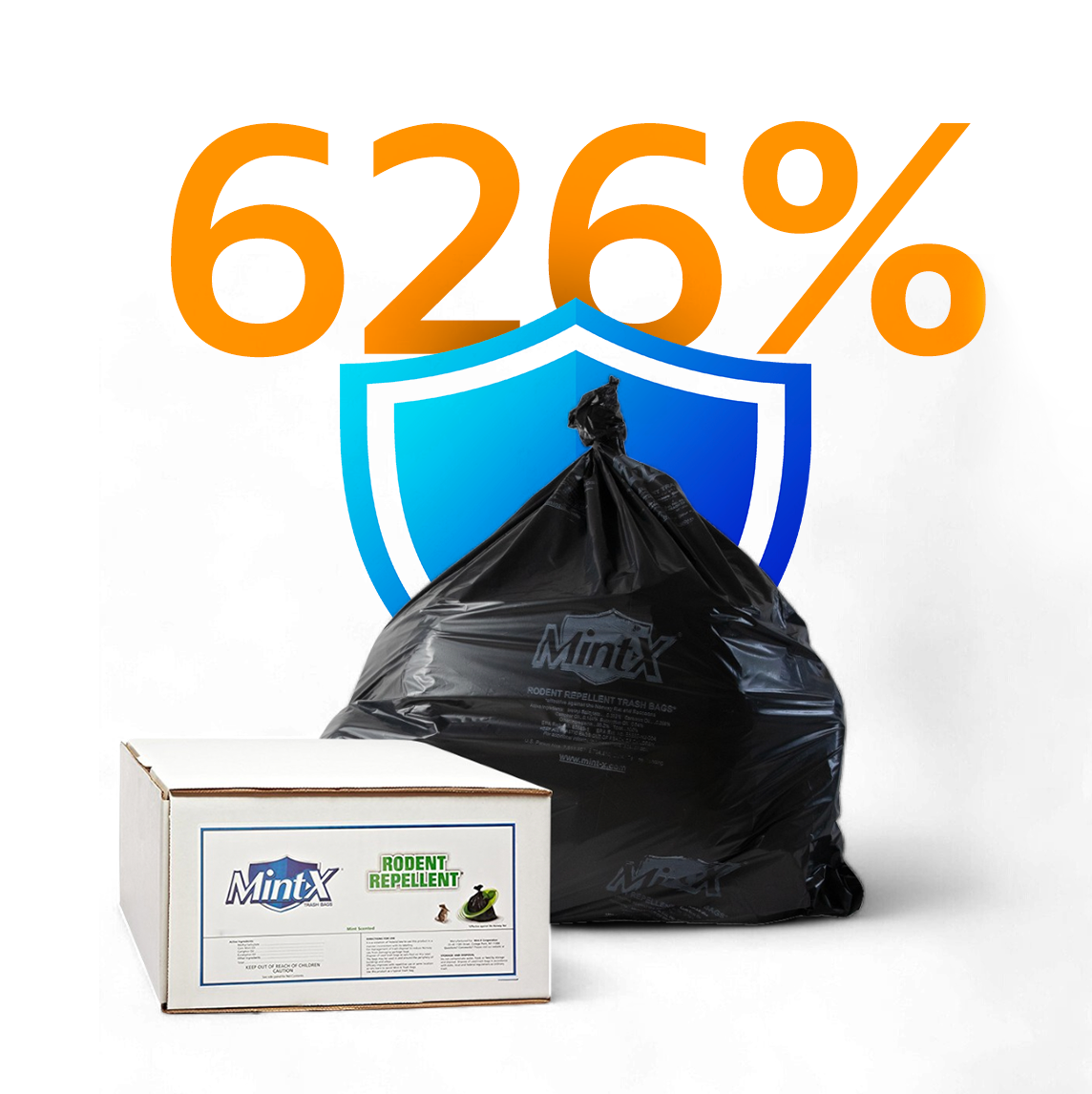
Read Brownie Brittle PPC Case Study134% growth, 18.87% average ACoS and 5.30 ROAS. Campaign structure, negatives and rule-based bidding; January–May 2022 dashboard period.
Read Z Natural Foods PPC Case StudySponsored Products restructuring, keyword harvesting, negative targeting and rule-based bidding. Reported ROAS: 5.30. Dashboard period: January–May 2022.
Sponsored Products bid-by-placement tests, keyword research and negative targeting. Weekly units increased from 30 to 57; impressions increased from about 2,100 to over 14,000.
1. Audit the account and product economics. Review structure, search terms, placements, bids, budgets, margins, Buy Box, inventory and conversion.
2. Set targets by product and campaign role. Define ACoS/TACoS or contribution goals, product priorities and budget boundaries.
3. Rebuild campaign architecture. Separate discovery, proven terms, brand defense, product targeting, launches and scale.
4. Clean and harvest search terms. Add negatives, promote converting terms and isolate targets that need control.
5. Optimize bids, placements and pacing. Use performance and hourly signals where supported; change one major lever at a time.
6. Fix blockers outside PPC. Coordinate content, price, reviews, catalog, inventory and Buy Box issues.
7. Report, test and scale. Explain changes weekly, review strategy monthly and expand only when economics and readiness support it.
Discovery and scaling are mixed together. Search-term discovery, proven exact-match targets, brand defense and product targeting need different campaign roles and controls.
Converting queries stay buried. High-performing search terms remain inside broad or automatic campaigns, limiting bid and budget control.
Bids and placements ignore product economics. An efficient campaign can still hurt profit if margin, inventory or conversion does not support more spend.
The advertising problem is outside advertising. Buy Box loss, weak content, poor reviews, price gaps, suppressed listings and stock risk can waste otherwise valid traffic.

Manage Seller Central and Vendor Central campaigns with marketplace-specific strategy. Adapt bids, budgets, targeting, and campaign structure based on local demand, CPCs, competition, conversion behavior, and profitability targets.
SalesDuo is a full-service Amazon and eCommerce agency. We use our proprietary AI system and an expert eCommerce team to grow sales and profits for brands globally.
B2B Amazon Agency in the United States