How to Reach Out to Amazon Influencers: A Step-by-Step Guide
Did you know that almost all U.S. social media users have purchased something on Amazon after seeing an influencer recommendation?
So yes, Amazon influencers can work. But the bigger questions are:
How do you find influencers who are actually right for your brand? How do you get them to respond? And most importantly, how do you make sure their content leads to real, trackable sales instead of just likes and clicks?
The Amazon influencer space can be difficult to understand. Unlike TikTok or Instagram, Amazon does not have one simple place where brands can easily search for influencers by niche, audience type, or engagement level.
In this guide, we explain how to find Amazon influencers who match your niche, build relationships that increase your chances of getting replies, and measure results using Amazon Attribution.
Whether you are just starting influencer marketing or trying to scale your current campaigns, this guide will help you avoid common mistakes and build campaigns that drive measurable growth on and off Amazon.
Understanding the Amazon Influencer Ecosystem
The Amazon influencer ecosystem is a network of creators, content, platforms, and tools that help people discover products and buy them on Amazon through influencer recommendations.
At the center of this ecosystem are influencers approved by Amazon.
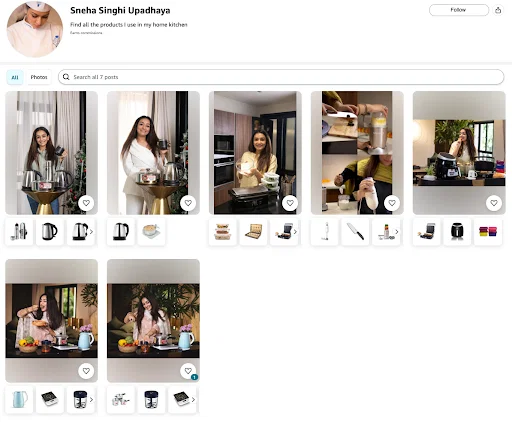
An Amazon influencer is a content creator accepted into Amazon's influencer program. They recommend products through their own Amazon storefronts and affiliate links.
They may use platforms such as Instagram, YouTube, Facebook, and TikTok to share content. They can also host Amazon Live streams and earn commissions; these are typically around 1-2% for Amazon-hosted content and may go even higher in certain categories of offsite-referred content.
Read: Here’s how cross-channel marketing helps maximize Amazon sales
How does this ecosystem work for your brand?
The Amazon influencer ecosystem gives your brand more than just access to influencer storefronts. It can also provide:
Cross-Channel Visibility: Influencers create content on other platforms and send their followers to Amazon. This connects social media engagement with people who are already interested in buying.
Integrated Tools: Amazon provides influencers with tools such as vanity storefront URLs, curated “Idea Lists,” shoppable videos, and live-streaming features. These tools help influencers showcase and recommend products.
Performance-driven results: Affiliate dashboards and Amazon Attribution track links and customer actions. This lets brands measure reach, clicks, and conversions.
How does the influencer program actually benefit the sellers?
Working with Amazon influencers can give brands a useful combination of visibility, trust, and measurable results:
- Influencers can make your product feel more real and trustworthy by showing it to their audience authentically.
- They can show how your product fits into everyday life through unboxings, tutorials, demonstrations, or casual mentions. This makes it easier for shoppers to understand the product's value.
- They can share vanity URLs and curated Amazon storefronts with their followers, making it easier for shoppers to reach your product page.
- You can track sales through affiliate links or Amazon Attribution, helping you understand campaign performance and ROI.
- Influencers can increase your reach by creating different types of content on outside platforms, including Reels, reviews, and unboxing videos.
- Micro and mid-tier influencers can often provide strong exposure for much less money than traditional advertising.
Read: How Amazon Creator Connections Help Sellers Drive Growth? Read here
How to Reach Out to Amazon Influencers?
Now, let’s get straight to the main question: How can you reach out to Amazon influencers and work with them to improve your visibility and increase Amazon sales?
Identifying the right Amazon influencers
A large follower count does not automatically mean more sales.
What matters more is whether the influencer is relevant to your product, has an engaged audience, and fits your brand.
Here are a few ways to find the right influencers:
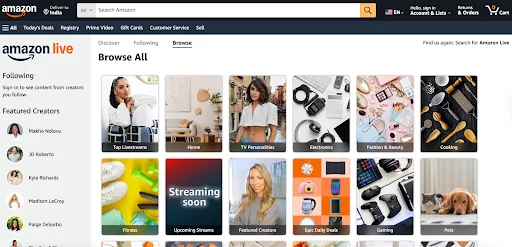
Check Amazon Live: Browse Amazon Live by category to find creators who are already streaming product demonstrations in different niches.
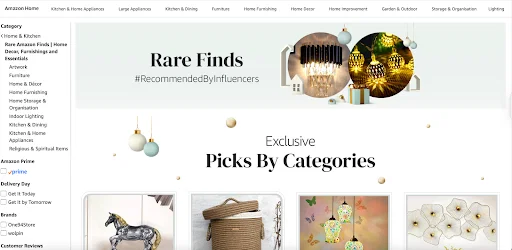
Use Amazon hashtags: Search hashtags such as #AmazonFinds, #FoundItOnAmazon, #AmazonHaul, #gifted, #recommendedbyinfluencers, #PR, and #unboxing.
You can combine these hashtags with niche words such as “makeup” or “home decor.” This can help you find creators who are already posting branded content on Instagram, TikTok, and YouTube.
Leverage influencer discovery platforms: Tools such as Upfluence, InfluenceGrid, Inbeat search engine, and Modash can help you search for influencers. You can filter them based on Amazon tags, niche, engagement rate, location, and other factors.
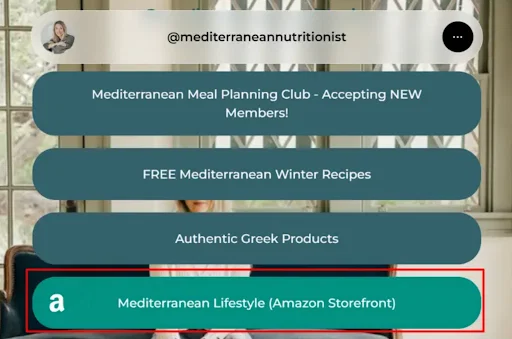
Spot influencers in your followers: Look through your followers and people who already tag, mention, or praise your brand. Check whether they have Amazon links in their bios, Linktree pages, websites, or active Amazon storefronts.
Since these creators already know your brand, they may be easier to approach for a collaboration.
When choosing influencers, look for:
- Niche alignment: Choose influencers whose content and audience match your product category, such as beauty, tech, home, or another relevant niche.
- Verified Amazon storefronts: Amazon influencers often promote products through storefronts or “Idea Lists.” Look for vanity URLs such as amazon.com/shop/username.
- Check engagement: Likes, comments, views, and conversations can matter more than a large audience that rarely interacts.
- Check past collaborations: Review their previous sponsored or branded content. Look at the content quality and whether people actually commented, asked questions, or interacted with it instead of just scrolling past.
Building a connection before outreach
Avoid starting with a hard sales pitch.
It is usually better to build familiarity and trust with the influencer first.
You can do this by:
- Following them on the platforms they use and paying attention to their content style, voice, tone, and posting habits. Ask yourself whether their style fits your brand and whether your product would look natural in their content.
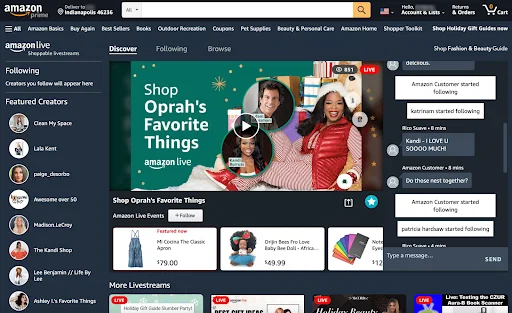
- Genuinely engage with their Amazon hauls, reviews, live streams, or other posts. Like, comment on, or share content that is relevant to your brand. This shows that you actually know their work instead of sending a random message.
- If you post something that is relevant to their niche, you can tag them. This can help your brand get noticed in a more natural way.
Crafting the perfect outreach message
Once the influencer is familiar with your brand and you have built some connection, you can reach out professionally.
Your message should match the influencer's communication style. If their content is casual and fun, your message does not need to sound extremely formal.
The goal is to make the message feel personal and natural instead of looking like a copy-pasted corporate pitch.
Here is how you can structure it:
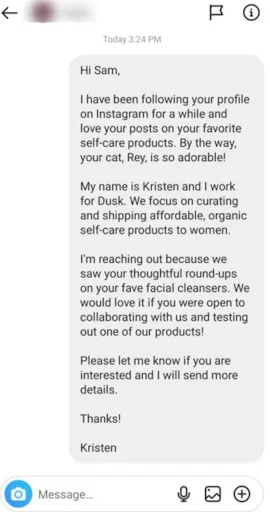
- Open with a relevant comment about their content
“Hey [Name], I loved your recent ‘Amazon Kitchen Must-Haves’ video—especially the mini waffle maker! Your reviews are always so honest and fun.”
- Introduce your brand briefly
“I’m with [Brand Name], and we make [1-sentence product intro]. We think it could really resonate with your audience.”
- Propose the next step
“Would you be interested in collaborating?”
- Let them know what’s in it for them, like free products, paid collaboration, affiliate commissions, or exclusive discount codes for their followers
“We’d love to send you a free sample and explore a collab—either via sponsored content or your Amazon storefront.”
- End with a simple CTA
“Let me know if you’d be open to chatting more! Or “Happy to send over more details if you’re interested.”
Bonus: On Instagram or TikTok, you can also try sending a short voice note. It can feel more personal and friendly and may help your message stand out.
Choose the right outreach channel: DM, email, or Creator Connections
Choose the communication channel based on how the creator normally handles brand partnerships. There is no single channel that works best for every influencer.
A DM is usually a simple way to make the first contact when the creator is active on that social platform.
Email may be better when you need to discuss more formal details, request a media kit or rate card, contact a creator's manager, or move the conversation into a more organized business thread.
| Route | Best when | What to include | Main caution |
|---|---|---|---|
| DM | The creator is active on a social platform and you want a short first touch. | A specific content reference, one-line product fit, collaboration idea, and one reply CTA. | Do not paste a full brief or chase the creator across several platforms. |
| A public business email or manager contact is available, or the scope needs more detail. | Brand/product context, ASIN or Store link, proposed scope, compensation type, timeline, and next step. | Keep the first email skimmable; do not front-load a long deck. | |
| Creator Connections | An eligible brand is running an Amazon-native campaign and the creator has accepted it. | Campaign context, the specific next step, and any details needed to execute the accepted campaign. | Messaging is available after campaign acceptance; it is not a substitute for direct cold outreach. |
For eligible brands, Creator Connections provides an Amazon-native way to run campaigns.
Amazon’s current Creator Connections campaign guidance explains that brands can directly message creators who have already accepted their campaign.
Amazon influencer outreach checklist before you hit send
Before contacting an influencer, make sure your first message gives them enough information to understand the opportunity.
However, don't make the first message so long that it reads like a full campaign brief.
A useful Amazon influencer outreach checklist is:
- Use the creator’s correct name or handle.
- Mention one specific piece of their recent content.
- Include the relevant product, ASIN, or Amazon Store link.
- Explain in one sentence why their audience is a good match for your product.
- Clearly state the type of collaboration you are suggesting.
- Make the deliverable or next step easy to understand.
- Explain the compensation structure clearly without making it sound like Amazon decides your direct sponsorship fee.
- Include the expected timeline or launch window.
- Mention usage rights and disclosure expectations early enough so there are no surprises later.
- Finish with one clear, easy-to-answer CTA.
If you have not decided several of these details yet, send a short message first to check whether the creator is interested. You can discuss the full campaign details after they respond.
How to follow up when an Amazon influencer does not reply
If the influencer does not reply to your first message, avoid sending too many follow-ups.
We recommend sending one short follow-up after around 5–7 days.
This is practical workflow guidance, not an Amazon rule, and it does not guarantee that the influencer will reply.
Your follow-up should be shorter than your first message.
Briefly remind them about the collaboration, explain again why your product could fit their audience, and make it easy for them to ask for more details or politely decline.
Do not send repeated messages on every platform. Avoid using guilt, pressure, or fake urgency to force a response.
If the influencer still does not reply after your follow-up, close the conversation politely and move on to another suitable creator.
Negotiating collaboration terms
If the influencer agrees to work with your brand, the next step is to clearly decide the terms of the partnership.
Here is how you can negotiate the collaboration:
- Define deliverables clearly, like:
- Platforms (e.g., Instagram, TikTok, YouTube, Amazon Live)
- Content types (post, Reel, unboxing, blog, etc.)
- Quantity (number of posts/stories)
- Deadlines and launch windows
- Required links (Amazon storefront, product page, affiliate tag)
- Choose the right compensation structure, like free product, flat fee, performance, or hybrid compensation
- Free Product: This may work well for nano and micro-influencers, especially for simple content such as a single post or Story.
- Flat Fee: This is common for mid-tier and larger influencers. Refer to rate card averages:
- > Nano (500–10,000 followers): $10 to $100/post
- > Micro (10,000–50,000 followers): $100 to $500/post
- > Mid-tier (50,000–100,000 followers): $500 to $5,000/post
- > Macro(100,000–500,000 followers): $5,000 to $10,000/post
- > Mega(500,000+ followers): $10,000+ per post
- Performance-Based: You can offer affiliate commissions or Amazon Attribution bonuses so that the influencer has an extra reason to drive results.
- Hybrid Deals: You can combine free products, flat fees, and commissions to create a stronger offer.
- Negotiate smartly, but remember that the partnership should work for both sides. Your brand wants visibility and sales, while the influencer wants fair value and ROI from the partnership.
- Clarify usage rights and get written consent explaining how you can use their content. This may include Instagram or Facebook reposts, paid advertisements, product listings, websites, or email campaigns. Also define how long you can use the content and in which locations or countries.
- Draft a simple contract covering deliverables and timelines, payment terms such as the amount and payment method — PayPal, Venmo, etc., content usage rights and duration, and FTC disclosure requirements such as #ad or #sponsored.
Clarification: commissions, creator fees, Amazon Attribution, and disclosures are different things
Keep these four things separate when agreeing on collaboration terms.
Amazon Associates commission income is decided by Amazon, and current commission rates vary by product category.
Your brand can separately negotiate things such as free products, creator fees, licensing or usage rights, and performance-based rewards.
For a deeper understanding of costs and returns, see SalesDuo’s Amazon influencer program pricing and ROI.
Amazon Attribution is a measurement tool that eligible brands can use to track non-Amazon marketing.
Amazon currently says Attribution tags should not be combined with Amazon Affiliate links.
A free or discounted product can also create a material connection between the brand and influencer.
FTC disclosure guidance says this relationship should be clearly disclosed when the influencer recommends or endorses the product.
In simple terms, treat the brand's payment terms, Amazon commissions, tracking method, content usage rights, and disclosure requirements as separate parts of the deal. This prevents confusion about what each one means.
Managing and nurturing influencer relationships
Long-term influencer marketing success usually comes from building long-term partnerships.
Treat influencers like business partners instead of simply treating them as marketing tools.
Here are some ways to manage and strengthen your relationships with influencers:
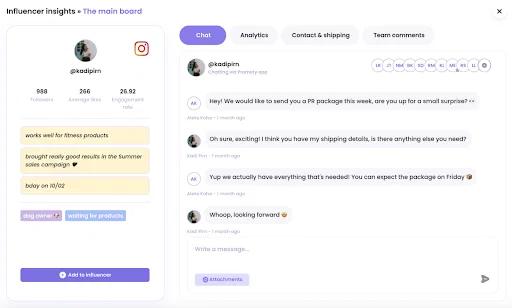
- Keep communication open before, during, and after the campaign. Ask about progress, provide useful feedback, and reply quickly when they have questions. You can stay connected through platforms such as WhatsApp or Slack, but avoid micromanaging them.
- Give them everything they need at the beginning. This may include brand guidelines, key messages, product information, selling points, Amazon product links, attribution tags, high-quality images, or sample content. This reduces unnecessary back-and-forth.
- Show appreciation when a campaign performs well. You can also offer longer-term opportunities such as ambassadorships, early access to new products, or performance bonuses.
- Ask influencers what worked, what did not work, and what could be improved in future campaigns. Since they communicate directly with their audience, they may have useful information about customer behavior, trends, and how people see your product.
Measuring the success of influencer campaigns
The real value of influencer marketing comes from understanding what worked and what did not.
When you track campaign performance properly, you can improve future campaigns and invest more in the partnerships that give you the best results.
Here are some important metrics to track:
- Amazon attribution and affiliate link tracking: Track clicks, product page views, add-to-carts, and sales connected to specific influencer content.
- Engagement quality, not just quantity: Do not only look at likes. Pay attention to comments, saves, shares, Story clicks or swipe-throughs, video views, watch time, and Amazon Live engagement. These actions can show genuine interest and may indicate buying intent.
- Track promo code usage: Influencer-specific promo codes can help you see how many purchases came from a particular creator. Promo codes can also encourage shoppers to take action.
- Evaluate ROI and lifetime value (LTV): Compare the total amount you spent on products, influencer fees, and bonuses with the revenue and lifetime value of the customers you gained.
- Use a central dashboard: Track CPA, engagement rates, and sales per dollar spent in one place. This makes it easier to identify your best influencers and scale successful partnerships.
Common Mistakes to Avoid
Amazon influencer marketing can produce strong results, but only when the campaign is planned and managed properly.
Avoid these common mistakes that can hurt your campaign performance and waste your budget.
Treating influencers like cheap ad space
Do not send the same copy-pasted message to every influencer or treat each partnership as a quick, one-time transaction.
Influencers are creators who bring their own audience, trust, and style.
Treat them as valuable partners instead of cheap advertising space.
Focusing only on the follower count
A large follower count does not automatically mean better results.
Engagement matters too.
Micro and mid-tier influencers may have smaller audiences but can sometimes provide stronger engagement and better ROI.
Ignoring platform and audience fit
Different social platforms attract different types of audiences.
In the same way, every influencer has their own niche and audience.
Do not choose a platform simply because it is currently popular.
Find out where your target customers spend their time and choose influencers who already talk about products similar to yours. Their audience is more likely to be interested in what you sell.
Skipping strategy and goals
Do not start influencer marketing without knowing what you want to achieve.
Clearly define your goals and KPIs before launching a campaign.
Without clear goals, you may spend time and money without knowing whether your campaign actually worked.
Don’t micromanage—let the creators do their job
Giving influencers overly strict scripts can make their content feel unnatural.
Influencers understand how to communicate with their own audiences.
Give them enough freedom to show and explain your product in a way that feels natural to their followers.
Not tracking and analyzing
If you do not use Amazon Attribution, affiliate link tracking, or other campaign monitoring methods, you will not know what is actually working.
Track campaign performance properly so you can understand which influencers and content types are delivering results.
Failing to vet influencer quality
Do not assume an influencer is a good choice just because they have 100,000 followers.
Look at their engagement, content quality, audience, and previous collaborations.
If necessary, you can also speak with brands that previously worked with the influencer to understand whether their audience and campaign performance are genuine.
Overlooking the FTC(Federal Trade Commission) and disclosure rules
Influencer partnerships need clear disclosures such as #ad or #sponsored when required.
Ignoring disclosure rules can create legal problems and damage customer trust.
Compliance should be treated as an important part of every influencer campaign.
Need Help With Influencer Marketing? Here’s how Salesduo can Help
Influencers should be treated as real partners and included in a performance-focused marketing strategy that connects your products with the right audience.
That means focusing on the right partnerships, building genuine relationships, tracking results carefully, and managing campaigns strategically.
This is where SalesDuo makes steps in.
Screenshot of SalesDuo influencer marketing page
Leveraging AI-powered Influencer Marketing program, SalesDuo empowers you to:
- Strategically connect with trusted influencers whose audience, values, and content match your brand.
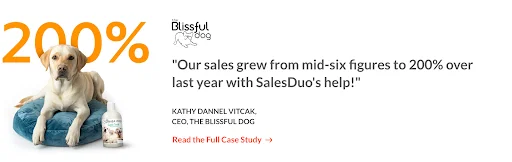
- Drive measurable results with 80% average year-over-year growth and detailed analytics that support better decisions.
- Improve product visibility and conversions through budget-friendly, high-ROI campaigns using real-world content on Amazon and other social media platforms.
- Get end-to-end campaign management in one place, including influencer selection, creative planning, performance tracking, and scaling long-term partnerships.
You get accurate targeting, trusted influencer recommendations, complete campaign management, AI-powered real-time analytics, and detailed reports that help you make decisions based on data.
With SalesDuo, you are not simply using an influencer's audience for one campaign. You can build a scalable, data-backed influencer marketing strategy that supports your long-term Amazon growth.
Intelligent Amazon influencer marketing? Book a 1:1 Growth Call with SalesDuo today and transform one-off campaigns into enduring Amazon success.
As you plan Amazon influencer outreach, consider how an Amazon marketing agency could coordinate creator briefs with your content calendar and advertising.
Frequently Asked Questions About Reaching Out to Amazon Influencers
How do I contact an Amazon influencer for a brand collaboration?
You can contact an influencer through their public business email or through the social media platform they actively use.
Some eligible brands can also work with influencers through Amazon Creator Connections.
When sending your first message, personalize it by mentioning a specific piece of their content. Briefly explain why your product would fit their audience and finish with one clear next step instead of sending a long sales pitch.
What should I include in an Amazon influencer outreach message?
Mention a specific piece of the influencer's content, explain your brand or product in one sentence, and tell them why you think it fits their audience.
You should also mention the type of collaboration, compensation, timing or next step, and end with a simple CTA.
If useful, include the relevant ASIN or Amazon Store link.
Keep your first message short. You can send a full campaign brief or detailed presentation after the influencer shows interest.
Is email or DM better for reaching out to Amazon influencers?
Neither option is always better.
A DM is usually useful for a simple first contact when the influencer is active on that social media platform.
Email is usually better when you need to discuss detailed campaign terms, request a media kit or rate card, communicate with managed talent, or keep the conversation more formal.
Start with the channel the influencer normally uses for brand conversations. Move to another channel only when it makes communication easier.
How long should I wait before following up with an Amazon influencer?
As practical SalesDuo workflow guidance, you can wait around 5–7 days before sending one short follow-up.
This is not an Amazon requirement.
Briefly remind the influencer about the opportunity, make it easy for them to respond or decline, and avoid repeatedly messaging them across several platforms.
If they still do not reply after the follow-up, politely close the conversation and move on to another suitable influencer.
Do brands have to pay Amazon influencers?
There is no single payment model that every brand must follow.
A collaboration may include a gifted product, flat creator fee, licensing or usage rights, performance incentives, or a combination of these.
Separately, eligible influencers may also earn commissions that Amazon sets under its program rules.
Keep the compensation your brand negotiates with the influencer separate from the commissions Amazon pays through its creator or Associates programs.
Can brands contact Amazon influencers directly?
Yes.
The Amazon Influencer Program is designed for creators, but brands can still build direct relationships with approved influencers through their public business emails or the social platforms they use.
Directly contacting an influencer does not change Amazon's program rules.
Keep Amazon's commission structure and platform rules separate from the deliverables, fees, content usage rights, and disclosure requirements included in your own agreement with the influencer.
What is the difference between direct outreach and Amazon Creator Connections?
Direct outreach means the brand contacts the creator directly through email, social media messaging, or another public communication channel.
Amazon Creator Connections is an Amazon-native marketplace service available for eligible brand campaigns.
Amazon currently allows brands to message creators through Creator Connections after the creator accepts a campaign.
For current information about eligibility, budgets, commissions, and campaign setup, refer to the dedicated SalesDuo Creator Connections guide linked earlier in this article.
Does a gifted product need an influencer disclosure?
Yes.
When an influencer recommends or endorses a product, receiving that product for free or at a discount can create a material connection that should be clearly disclosed under FTC guidance.
The disclosure should be easy for the audience to see and understand.
Brands should discuss disclosure requirements at the beginning of the collaboration instead of waiting until the content is ready to be published.
About the Author
Meet Arjun Narayan, a Business Dynamo with two decades of conquering boardrooms and founding two companies that didn't just survive but thrived. When he's not navigating business strategies and delivery teams, you'll find him immersed in his love for cars and exploring new models, geeking out over tech trends, globe-trotting for new adventures, and occasionally pondering the mysteries of the universe over a good cup of coffee.